
Reconstructing a UPS Failure: Logs, Removed Components, and Sequence of Events
June 28, 2026
A power-protection failure is rarely explained by one damaged module. The credible answer comes from correlating physical evidence with alarms, switching history, maintenance records, and system architecture.
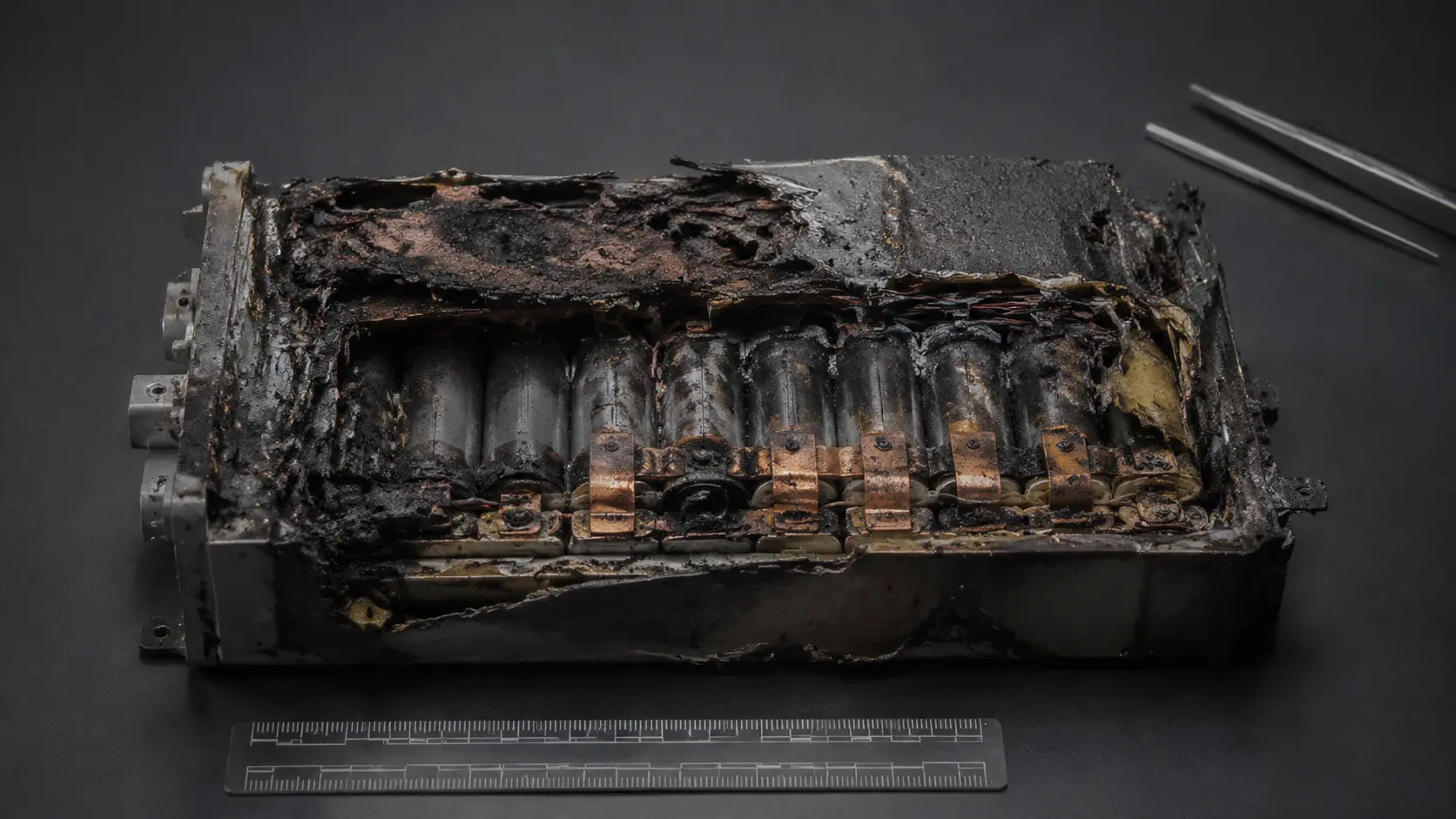
An uninterruptible power supply is a coordinated system of rectifiers, inverters, batteries, bypass paths, static switches, controls, protective devices, and downstream distribution. When critical loads lose power or equipment is damaged, the visibly failed module may be only one event in a longer sequence.
A forensic reconstruction should identify the initiating condition, the system’s response, the protective actions that occurred or failed to occur, and the point at which the critical load was affected.
BUILD A SINGLE, CORRELATED TIMELINE
- UPS alarms, event logs, waveforms, and operating-mode changes
- Building automation, generator, transfer-switch, and protective-relay records
- Utility interruption or power-quality data
- Battery-monitoring and module-level information
- Maintenance tickets, prior failures, testing, and parts replacement
- Witness observations and the timing of downstream equipment loss
TIME SOURCES MUST BE NORMALIZED
Different devices may use different clocks, time zones, drift rates, or reset histories. Before events are placed in sequence, the investigator should determine how each device kept time and whether its timestamps can be correlated to a common reference. A few seconds of error can reverse the apparent relationship between a fault, a transfer, and a protective trip.
REMOVED PARTS ARE PART OF THE EVIDENCE
Relays, control boards, modules, fuses, and connectors removed during troubleshooting may contain the best physical evidence of the failure. Their part numbers, positions, settings, and as-received condition should be documented. If original components are unavailable, photographs, technician notes, scan data, and replacement records become especially important.
Laboratory examination should follow an agreed protocol that begins with non-destructive documentation and progresses to electrical, imaging, and destructive testing only when justified.
CAUSE, RESPONSE, AND CONSEQUENCE
The final opinion should separate three questions: what initiated the abnormal condition, how the UPS and associated protection responded, and why the load experienced the reported consequence. Keeping those questions distinct prevents a failed component from being mistaken automatically for the initiating cause and produces an explanation that can be tested against the complete record.
NEED A FORENSIC ELECTRICAL ENGINEER?