
Silent Safety Systems: Investigating an Alarm or Interlock That Did Not Activate
July 19, 2026
When equipment tips, moves, or operates without an expected warning or shutdown, the investigation must reconstruct the entire safety chain—not simply test the sensor after the event.
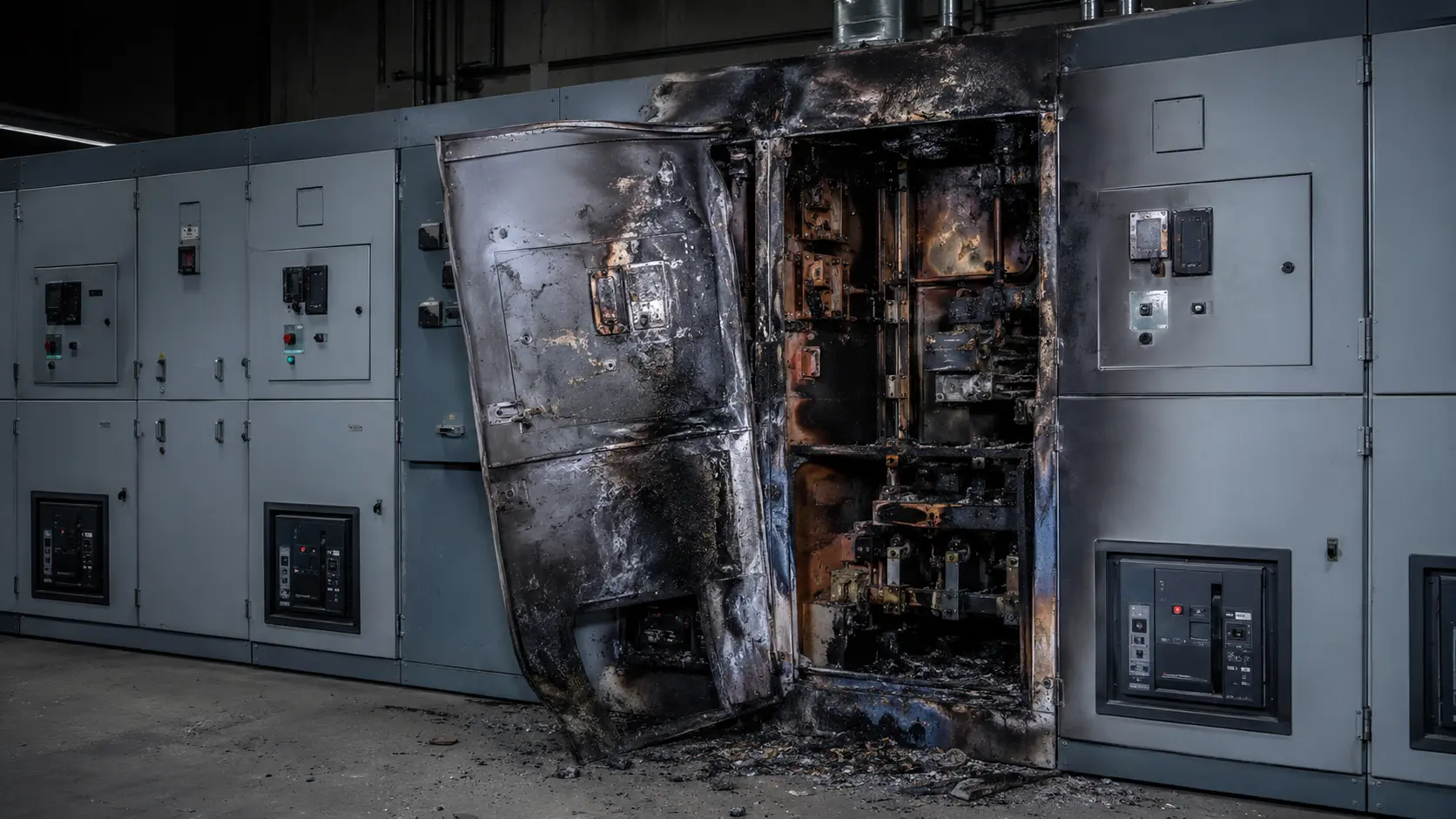
A machine safety feature rarely consists of one component. A tilt alarm, limit circuit, emergency-stop chain, permissive, or automatic shutdown typically depends on a series of sensors, wiring, relays, control modules, software logic, output devices, and power supplies. If the expected warning or response does not occur, every link in that chain matters.
Testing only the sensor after the incident can produce an incomplete—and sometimes misleading—answer. The sensor may be functional while its signal never reaches the controller, the controller may receive the signal but fail to command an output, or the warning device may be unable to respond.
RECONSTRUCT THE SAFETY CHAIN
- The initiating condition and the sensor intended to detect it
- Sensor power, reference voltage, signal type, and calibration
- Harnesses, connectors, grounds, relays, and intermediate modules
- Controller inputs, programmed thresholds, time delays, and fault logic
- Controller outputs, alarm devices, hydraulic or electrical inhibits, and shutdown functions
- Operating mode, machine configuration, and any conditions that suppress the function
POST-INCIDENT CHANGES CAN ALTER THE ANSWER
Removed relays, replaced modules, disturbed connectors, software updates, battery disconnection, or later repairs can change the state of the system before an expert examines it. These changes do not automatically prove spoliation or causation, but they can destroy the most direct evidence of the pre-incident configuration.
A careful investigation documents the as-received condition, identifies every reported alteration, obtains removed components when available, and compares part numbers, firmware, wiring, and configuration against the applicable service information.
DYNAMIC CONDITIONS MATTER
Some safety functions depend on angle, time, travel state, platform elevation, outrigger status, terrain, or other inputs. A bench test may demonstrate that an individual part can operate, but it may not reproduce the electrical and mechanical conditions present during the event.
Defensible testing should therefore begin with a written protocol, preserve original settings, use calibrated instrumentation, and distinguish non-destructive functional checks from tests that could overwrite codes or change system state.
FROM COMPONENT TEST TO CAUSAL OPINION
The final analysis should address both failure and consequence: what prevented the warning or protective action, and whether that missing action was causally significant. That requires correlation of physical evidence, schematics, controller logic, service data, witness accounts, and the machine’s actual operating envelope.
NEED A FORENSIC ELECTRICAL ENGINEER?