
Touch Potential: When Normally Safe Metal Becomes Energized
July 26, 2026
An electrocution or electric-shock investigation must explain not only what became energized, but the complete current path, protective-device response, and conditions that allowed contact to become dangerous.
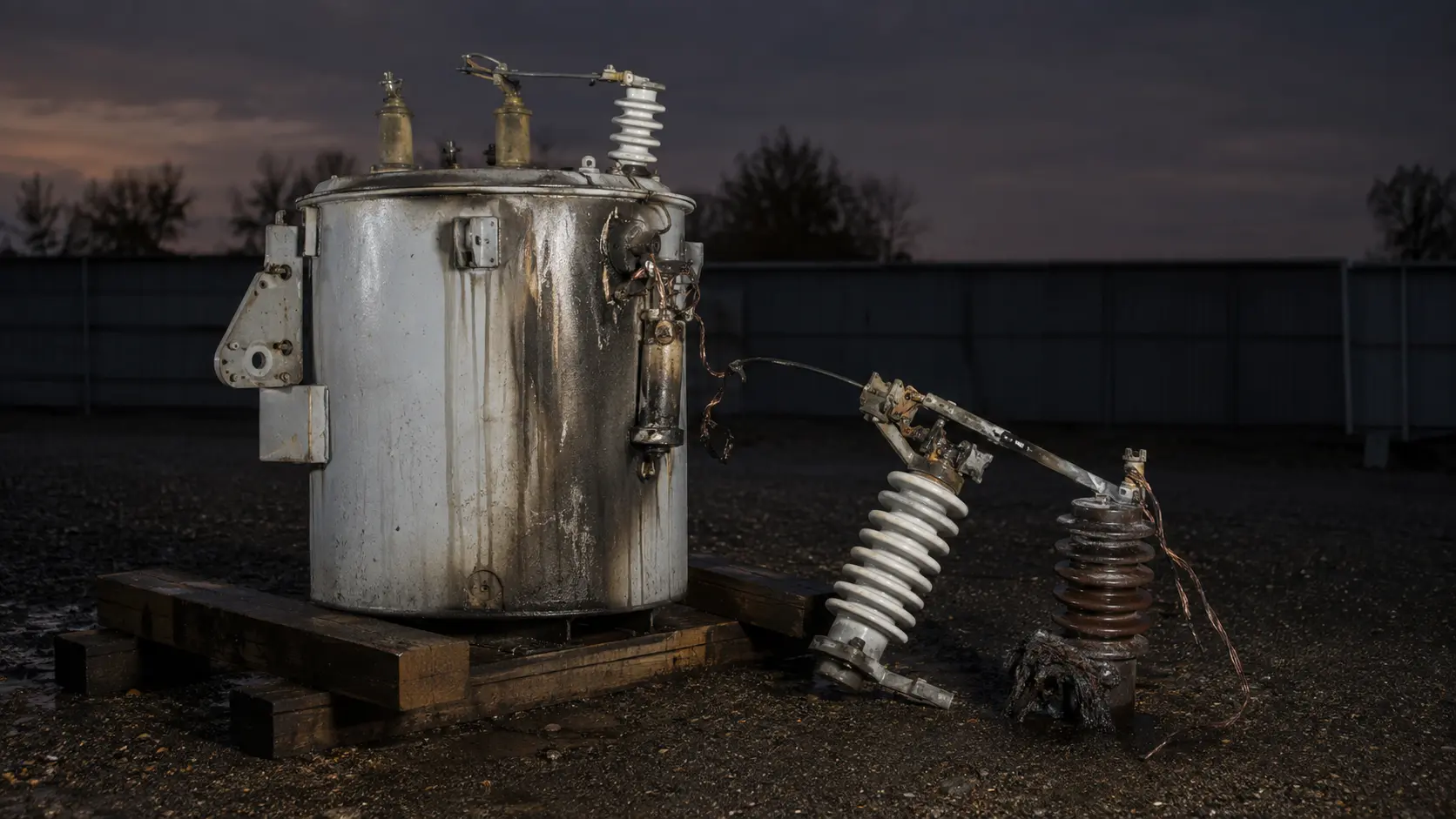
Metal piping, equipment housings, structural members, handrails, and other conductive surfaces are ordinarily expected to remain at or near ground potential. When one of those surfaces becomes energized, the visible scene may offer few clues. The decisive evidence is often found in the electrical path that existed at the moment of contact.
A sound forensic investigation therefore goes beyond asking whether voltage was present. It reconstructs how the voltage reached the surface, whether an effective fault-current path existed, why an overcurrent or ground-fault protective device did or did not operate, and how the person completed the circuit.
THE CENTRAL QUESTION: WHAT WAS THE CURRENT PATH?
Voltage alone does not establish the mechanism of injury. Current must travel through a closed path. The investigation should identify the energized source, the conductive object, the points of bodily contact, the return path, and every connection or impedance that affected current magnitude.
This analysis may require continuity testing, insulation-resistance testing, bonding and grounding evaluation, conductor tracing, examination of equipment disconnects, and review of upstream protective devices. Environmental conditions—such as moisture, conductive surfaces, footwear, and simultaneous contact with grounded objects—can materially change the available path.
WHY A BREAKER MAY NOT TRIP
A common misconception is that any dangerous electrical contact should immediately open a circuit breaker. Standard overcurrent devices are primarily designed to protect conductors and equipment from excessive current. A human-body current capable of causing fatal injury can remain far below the instantaneous or time-delayed trip threshold of a conventional breaker.
If a fault-current path is weak, damaged, missing, or highly resistive, the current may also be insufficient to operate the breaker while still creating a lethal touch potential. That is why the condition and continuity of equipment grounding and bonding paths are central to the analysis.
EVIDENCE THAT SHOULD BE PRESERVED
- The equipment and conductive surface involved in the contact
- Branch-circuit conductors, splices, connectors, disconnects, and junction boxes
- Grounding and bonding conductors and their terminations
- Overcurrent, ground-fault, and personnel-protection devices
- Control wiring, service records, prior complaints, and maintenance history
- Scene photographs showing contact locations and environmental conditions
THE FORENSIC CONCLUSION
The strongest opinion ties the physical evidence to established electrical principles. It should explain the source of energization, the current path, the performance of protective measures, and the causal role of any design, installation, maintenance, or product condition. That complete explanation—not a voltage reading in isolation—is what makes an electric-shock opinion defensible.
NEED A FORENSIC ELECTRICAL ENGINEER?